Turning fruit and vegetables into juices, jams, sauces and other foods requires considerable energy. Refrigeration and freezing are particularly electricity-intensive, and growing production volumes were increasing costs for Silver Rom Agro.
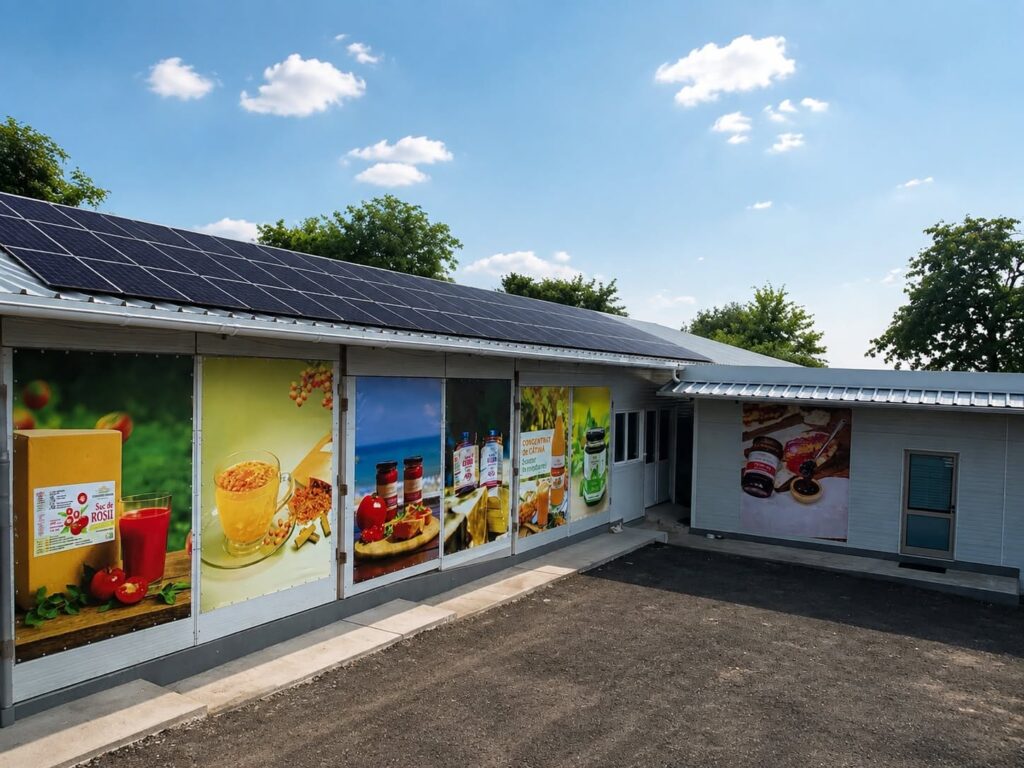
Founded in 2013, the Romanian company operates from Tomești in the north-east of the country. Since 2017, it has sold juices, teas, fruit and leaf powders, jams, compotes, sauces and appetisers in Romania under its Conacul Goruni brand and is now seeking to expand internationally. Its production facility includes a complete juice-processing line, as well as a production line for jarred foods.
As production increased and the company invested in more advanced equipment, improving its energy efficiency became increasingly important.
Making better use of solar power
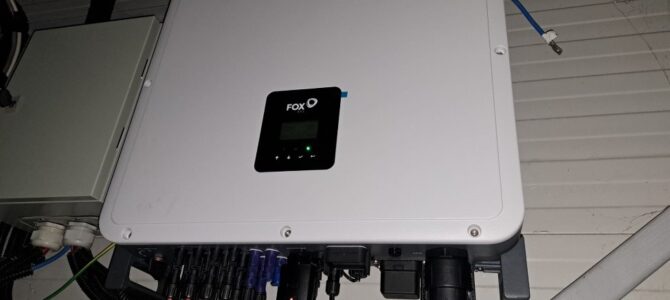
Silver Rom Agro installed a 29.5-kilowatt photovoltaic system at its production site, which became operational in March 2025. The solar panels reduced its energy expenses by an estimated 15-25%, but the absence of energy storage capacity limited their value.
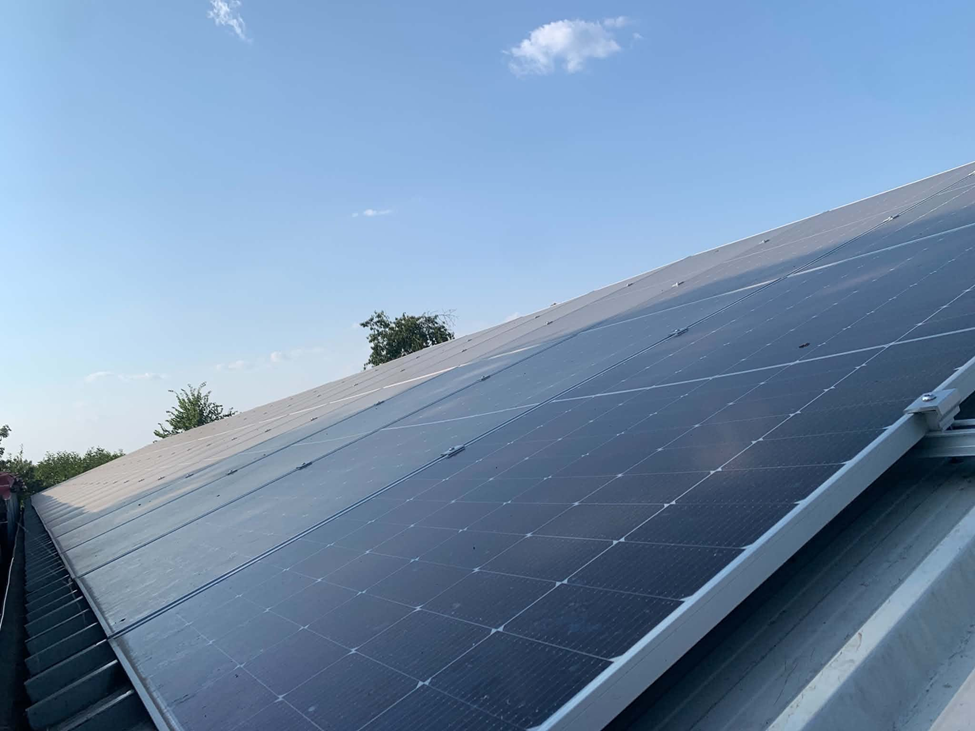
The system could power machinery and refrigeration equipment while the sun was shining, but any electricity generated beyond the company’s immediate needs remained unused. At night or during periods of insufficient generation, the business still had to draw electricity from the grid.
Battery storage offered a way to capture surplus solar energy and use it when the panels were producing less. But the company needed help assessing the investment needed, identifying suitable measures and securing finance.
Turning an assessment into investment
Working with Enterprise Europe Network advisers at the North-East Regional Development Agency, Silver Rom Agro completed a sustainability and energy-efficiency assessment.
“We examined how the company was using energy, identified where improvements could be made and discussed suitable technologies,” said Liliana Baicu, Enterprise Europe Network adviser at the North-East Regional Development Agency. “Together with a sustainability adviser from 10Ability.eu, we translated those findings into a tailored action plan targeting an energy-efficiency improvement of at least 5% and helped Silver Rom Agro prepare its funding application.”
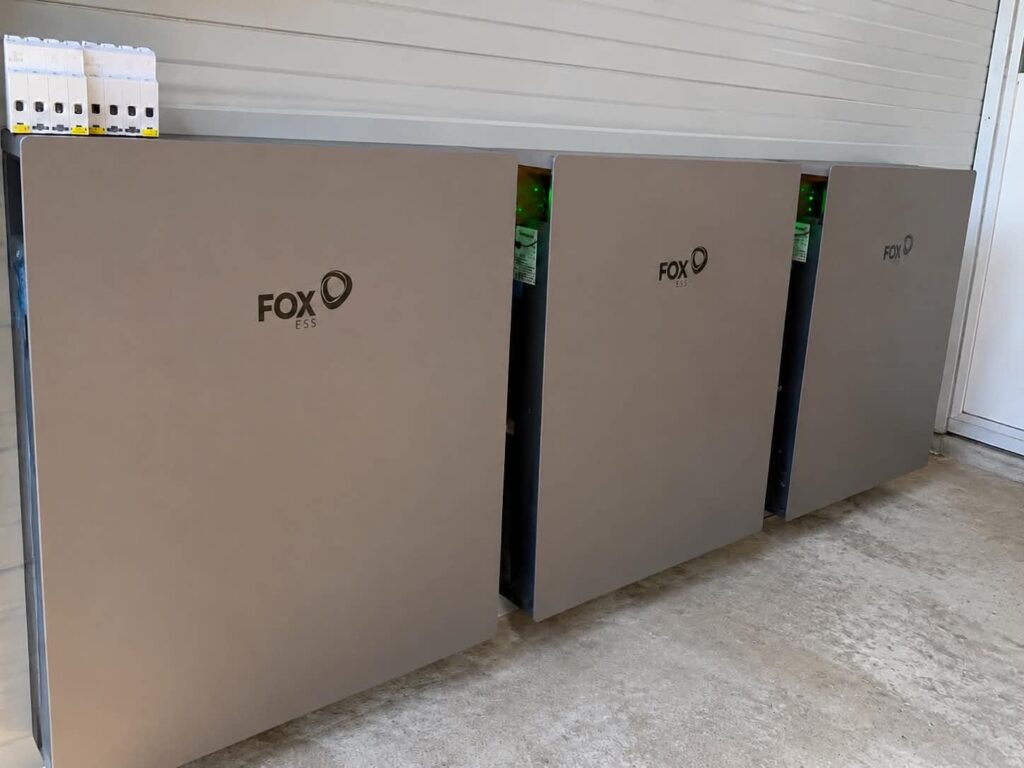
Silver Rom Agro submitted its application under the second EENergy call, an energy-efficiency grant scheme for small and medium-sized businesses, on 27 February 2025. It was approved on 29 April, and the company received almost €10,000, covering the full cost of a battery storage system, which became operational on 1 November 2025.
“The Enterprise Europe Network provided exactly the guidance we needed to navigate the funding process efficiently and confidently,” said company owner Silviu Tataru. “Today, we are operating a new battery storage system alongside the photovoltaic system we installed ourselves.”
Reducing dependence on the grid
The battery allows Silver Rom Agro to store electricity produced during periods of excess solar generation and use it later, including for part of its night-time consumption.
During the first seven months of 2026, the company consumed approximately 13,828 kilowatt-hours of electricity. Around 9,533 kilowatt-hours came from the photovoltaic panels and battery system, while approximately 4,294 kilowatt-hours came from the grid. The solar-and-storage system therefore met around 69% of the company’s electricity needs over the period.
By making fuller use of the electricity generated on site, Silver Rom Agro has reduced its exposure to energy costs while strengthening the environmental performance and long-term competitiveness of its production operations.
Building towards greater energy autonomy
The battery is one stage in a wider investment roadmap. Silver Rom Agro plans to expand its photovoltaic capacity, add further storage and upgrade production equipment to improve its energy performance. It also wants to replace fossil-fuel heating and transport systems with electric alternatives. The Network is expected to continue supporting these plans, building on the combination of technical assessment, tailored advice and funding guidance that has already turned an energy-efficiency ambition into a working energy-storage system.